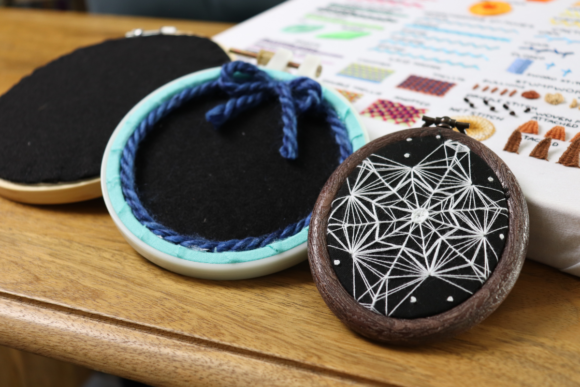
Framing and Backing Embroidery Art
First Impressions: A Professional Design Review
Framing and Backing Embroidery Art immediately catches the eye with its focus on finishing touches. As an experienced embroidery designer, I find the title promising for small business owners looking to elevate their merchandise. The description hints at a practical approach to adding professional detail to embroidery art, which is essential for branded patches, uniforms, and custom apparel.
Visual Personality and Brand Identity
The design’s visual personality leans toward professionalism and elegance. It offers a balance between modern aesthetics and classic embroidery techniques. This makes it versatile for a range of applications, from boutique merchandise to handmade products. Framing and Backing Embroidery Art can help establish a cohesive brand identity by providing a consistent visual language across all product lines.
For businesses aiming to project quality and reliability, this design aligns well with the goal of creating a premium feel. Whether it's used as a patch or a chest logo accent, it contributes to a polished brand image that resonates with customers and builds trust.
Real Business Use Cases
Framing and Backing Embroidery Art is ideal for small business merch, custom apparel, and embroidered patches. Here are some real-world applications:
- Embroidered Patches: Perfect for branding items like caps, aprons, and tote bags. Its clean lines and structured framing make it suitable for both large and small patch sizes.
- Staff Uniforms: Adds a professional touch to work shirts and aprons. The design works well on textured fabrics, making it a great choice for kitchens, bakeries, and creative studios.
- Caps and Tote Bags: The design’s adaptability allows it to be used as a front detail or side accent. It maintains its clarity even when scaled down, which is crucial for cap fronts and small labels.
- Product Packaging Accents: Can be applied as a subtle branding element on packaging, enhancing recognition without overwhelming the design.
- Etsy Branding: Ideal for handmade products, offering a unique yet professional look that appeals to crafters and digital embroidery file buyers.
This design is also useful for creating a consistent visual identity across multiple product lines, helping small businesses maintain visual consistency in their branding efforts.
Considerations for Commercial Use
While Framing and Backing Embroidery Art has many strengths, there are a few considerations to keep in mind when using it for commercial embroidery projects:
- Small Patch Sizes: The design should be tested at smaller scales to ensure it remains legible and visually appealing. High stitch density can sometimes cause issues with clarity on tiny surfaces.
- Cap Fronts and Curved Surfaces: The design’s structure may require careful placement to avoid distortion. Testing on actual fabric is recommended before mass production.
- Tiny Lettering and Detailed Outlines: These elements need to be evaluated for visibility, especially on dark uniforms or light-colored fabrics. Thread color contrast plays a significant role in readability.
- Fabric Texture: The design performs best on flat, smooth surfaces. Textured fabrics may require additional stabilizer or adjustments to the hoop size for optimal results.
- High Stitch Density: While this adds depth, it can increase production time and cost. Ensure that the design’s complexity aligns with your production capabilities.
As a professional designer, I recommend testing the design in black and white first to assess how it translates to different fabric types and lighting conditions.
Design Assets and Finished Product
Framing and Backing Embroidery Art is a valuable design asset for small businesses looking to expand their product offerings. It can be used as a standalone piece or integrated into larger design concepts. When combined with other design assets, it helps create a cohesive brand identity that enhances customer engagement.
The finished product should reflect the quality and intention behind the design. Proper use of stabilizer, hoop size, and thread colors will ensure that the final embroidery meets the expectations of both the designer and the client.
Practical Designer Notes
Before moving forward with production, consider these practical steps:
- Test in Black and White: Assess how the design looks in monochrome to ensure it maintains clarity and impact.
- Check Small Patch Size: Ensure the design remains readable and visually appealing when scaled down.
- Review Thread Color Contrast: Select thread colors that provide maximum visibility against the intended fabric background.
- Inspect Spacing and Stitch Density: Adjust as needed to optimize the design for different fabric types and application areas.
- Confirm Hoop Size: Choose the right hoop size to accommodate the design without causing distortion or stress on the fabric.
- Test on Real Fabric: Always conduct a test run to evaluate how the design performs in real-world conditions.
- Use Proper Stabilizer: Select a stabilizer that supports the design’s structure and prevents puckering or shifting during embroidery.
- Create a Mockup: Provide a printable mockup for client approval to ensure alignment with brand guidelines.
- Compare with Other Assets: Ensure the design complements other brand assets for a unified visual identity.
- Confirm Commercial Licensing: Verify that the design is commercially licensed for use in your intended applications.
Framing and Backing Embroidery Art is a versatile and professional design that can enhance a wide range of small business products. With careful planning and attention to detail, it can become a key component of your brand’s visual strategy, contributing to increased customer trust, recognition, and engagement.